The Evolving Role of Dental Hygienists: Collaboration, Diagnostics, and Trust in Practice
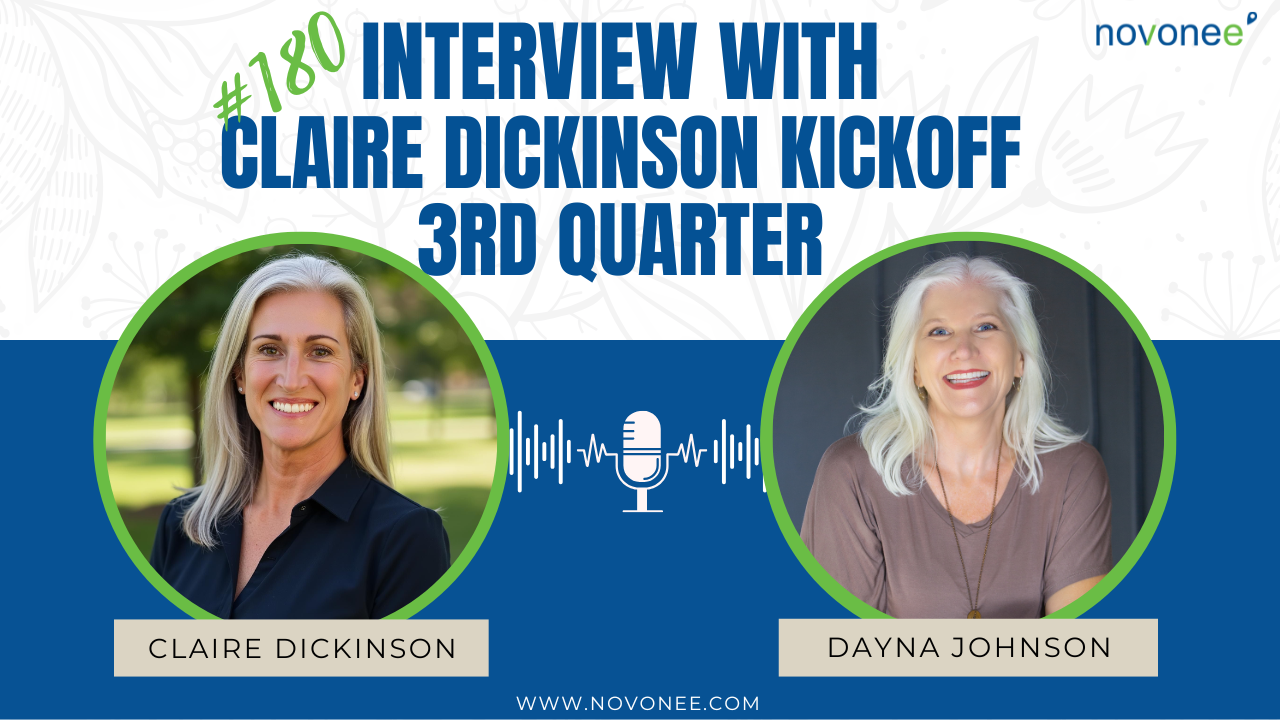
Claire Dickinson, Operations & Professional Relationships Director
Claire has over 22 years of experience in dentistry and a bachelor's degree in Business Management and a master's in Organizational Management and Leadership
https://www.pugetsoundperio.com/meet-our-team#partnership-group
It’s hard to believe we’re already kicking off the fourth quarter and October means one thing in our world: Dental Hygiene Month. I couldn’t think of a better time to talk about the heart of every dental practice, the hygiene department.
Listen on Apple Podcasts:
Listen on Soundcloud:
When I sat down with my good friend Claire Dickinson, Operations Director at Puget Sound Perio, we talked about the evolving role of the hygienist and how culture, collaboration, and diagnostics can make or break a practice.
I’ve known Claire for over 20 years, and I’ve watched her help teams build trust and efficiency in their clinical systems. During our conversation, we dug into the realities hygienists face and how they can thrive in today’s changing dental landscape.
From Idealism to Real-World Dentistry
When I used to guest lecture at Shoreline Community College’s dental hygiene program, I’d meet students who were passionate about patient care. They wanted to educate, prevent disease, and build long-term relationships. But I always warned them, real-world dentistry moves fast.
In hygiene school, you get three hours to complete a prophy, with instructors signing off at every step. Then, you enter private practice, where 60-minute appointments feel like a sprint. That transition can be a shock.
Many hygienists quickly realize their job isn’t just about scaling and polishing; it’s about diagnostics, education, and teamwork. The “extra” things, like health history reviews, perio charting, imaging, and treatment planning, aren’t optional add-ons. They’re what make you a true clinician.
If you want to see how your documentation and digital systems can make these processes more efficient, check out my post on Streamlining Health History Reviews: The Hygienist’s Secret to Smarter, Safer Dentistry. It’s a practical guide to improving compliance and patient communication using Dentrix.
Building a Culture of Collaboration
Claire shared how at Puget Sound Perio, hygienists are seen as an extension of the doctor, not just a support role. Their doctors actively ask, “What do you see? What do you think? ” That kind of collaboration empowers hygienists to co-diagnose, educate, and lead.
If there’s tension between the front office, assistants, and hygienists, it’s often because expectations and systems aren’t aligned. When hygienists feel valued as contributors, not just “cleaners,” that’s when trust builds.
I’ve seen this dynamic play out hundreds of times. In practices where doctors trust their hygienists’ clinical judgment, production increases, case acceptance improves, and patient loyalty skyrockets.
The Business Side of Hygiene
Let’s talk money for a second. Across the country, hygiene wages are rising, and I’m all for it. Hygienists deserve to be compensated for their expertise. But with higher pay comes higher expectations.
If you’re asking for $60, $80, or even $100+ an hour, you must bring diagnostic and educational value that matches your wage. That means:
- Reviewing health histories thoroughly
- Performing accurate perio charting and imaging
- Presenting treatment options confidently
- Helping patients connect oral health with overall health
When hygienists consistently perform at this level, they’re not just employees; they’re producers.
For more insight into how digital efficiency can support your role, read Creating a Touchless Check-In and Check-Out. It’s a great example of how smart automation can streamline patient flow and reduce administrative pressure.
Focus on the Right Thing: Patient Health
One thing Claire said stuck with me: “The money will follow when we focus on the right thing.”
When you’re patient-centered, not production-obsessed, everything else falls into place. Hygiene isn’t about “cleaning teeth”; it’s about preventing disease, improving systemic health, and educating patients so they make informed decisions.
We’ve both seen hygienists who caught signs of serious systemic issues, like carotid artery blockages, simply by paying close attention to health history and imaging. That’s the level of impact we should all strive for.
Own Your Department
Hygienists, I want you to think of yourselves as mini business owners within your practice. You control how your time is used, how efficiently you work, and how well you collaborate with your doctor.
When you take ownership of your systems, you build trust with your team and your patients. And when patients feel that trust, they follow through on treatment. That’s when your hygiene department becomes a true engine of growth and care.
Stay connected with news and updates!
Join our mailing list to receive the latest news and updates from our team.
Don't worry, your information will not be shared.
We hate SPAM. We will never sell your information, for any reason.